Kabuto Font: A Simple Handwritten Typeface for Creative Business Owners
As a business owner, every visual choice you make sends a message. Your logo, your packaging, even the font on your social media posts tells your customers who you are. Finding a typeface that feels both professional and personal can be a challenge. That’s where Kabuto comes in.
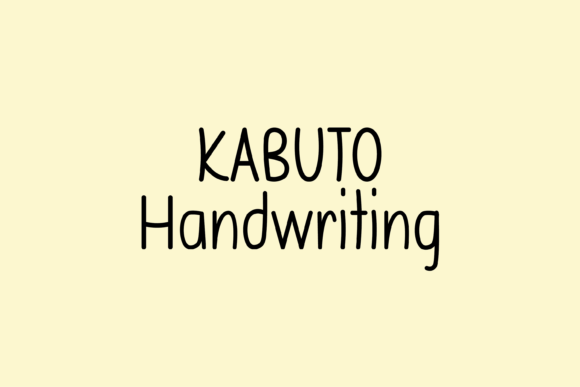
Kabuto is a simple and friendly handwritten font. It has a whimsical, slightly quirky character that brings warmth and a human touch to your designs. Unlike overly formal script fonts or chaotic handwriting styles, Kabuto strikes a perfect balance—it’s expressive enough to stand out, yet clean and consistent enough to build a reliable brand around. Its overall mood is cheerful and approachable, making it ideal for businesses that want to connect directly with their community.
Building a Consistent and Recognizable Brand with Kabuto
Brand consistency isn’t just for big corporations. For a small business, using the same visual language across all your materials is one of the fastest ways to build trust and recognition. When customers see your Instagram post, then visit your website, and later receive a package from you, they should feel it’s all from the same source. Kabuto can be that unifying visual thread.
Think of it as your brand’s handwritten signature. Because it’s a script font, it carries personality. But because it’s designed to be simple and friendly, it won’t overwhelm your other design elements. You can use Kabuto confidently as your primary display font for headlines, logos, and key messaging. This creates a memorable anchor for your brand identity. For a local bakery, Kabuto could be the perfect typeface for the shop name on the window sign and the header on the daily menu. For a maker of handmade candles, Kabuto could form the entire product name on each label, making every item feel lovingly crafted.
Practical Applications Across Your Business Touchpoints
Let’s get specific about where this font can work in your day-to-day operations. Kabuto’s style makes it exceptionally versatile for customer-facing materials.
- Logos & Business Cards: Kabuto can be used to write your business name itself, creating a logo that feels authentic and inviting. On a business card, it adds personality without sacrificing clarity.
- Product Packaging & Labels: Whether it’s for a jar of honey, a bottle of natural skincare oil, or a box of artisan chocolates, using Kabuto for the product name infuses the packaging with a handmade, premium feel.
- Printed Marketing: Flyers, thank-you cards, and event stickers gain immediate charm when their main message is set in Kabuto. It feels personal, like a note from you rather than a generic advertisement.
- Digital Presence: Your website banners, email newsletter headers, and key headlines on your sales pages can benefit from Kabuto’s warmth. It helps soften the digital experience and make it more engaging.
- Social Media Graphics: For Instagram posts announcing a new product, Pinterest graphics sharing a DIY idea, or Facebook ads for your services, using Kabuto as the accent font on your visuals can dramatically increase their appeal and click-through rate.
- Service-Based Businesses: Coaches, consultants, and therapists can use Kabuto on website headers, workbook titles, and presentation slides to create a more connective and human-centered aesthetic.
Readability and Application Advice
A beautiful font must also be functional. Kabuto, as a display font, is best used for headlines, names, titles, and short phrases where you want impact and personality. It’s not designed for long paragraphs of body text. For that, you should pair it with a clean, highly readable serif or sans serif font.
Consider readability in different settings. On a small product label, ensure the key word in Kabuto is large enough to be clear. On a mobile screen, test your website headline in Kabuto to confirm it’s legible at various sizes. For social media thumbnails, a bold, size-adjusted Kabuto can be very effective. The rule is simple: use it where you want attention and feeling, not for detailed information.
Testing and Pairing Kabuto with Other Fonts
Before committing Kabuto to your entire brand, take time to test it. Create a mock business card, a sample label, and a dummy Instagram post. See how it feels alongside your photography, colors, and other elements. Does it elevate your message or clash with it? This practical step saves future redesigns.
Font pairing is crucial. Kabuto’s whimsical character needs a stable partner for body text. A simple, modern sans serif like Helvetica or Open Sans provides a clean, professional base that lets Kabuto shine as an accent. Alternatively, a classic serif font like Georgia or Garamond can offer a more traditional, established contrast. The goal is balance: let Kabuto express your brand’s personality, and let a more readable font handle the explanations.
A Final Note on Commercial Use
As a business owner, licensing is a key part of using any design asset. Before using Kabuto on physical products, packaging, merchandise, client work, or digital templates for sale, you must check its commercial font license. Most fonts are licensed for personal use, but require a commercial license for business applications. Ensuring you have the proper license protects your business and respects the creator’s work. It’s a simple step that makes your use of this creative font both ethical and professional.
In the end, your brand’s typography is a silent ambassador. Kabuto offers a way to make that ambassador friendly, consistent, and unmistakably yours. From the café menu on the counter to the logo on your website, it helps stitch a single, trustworthy story across every point where you meet your customer.